Where and How to Buy Organic Unpasteurized Raw Almonds
- capayhillsorchard
- Jan 21
- 4 min read
Updated: Feb 19
How to know I’m buying Unpasteurized Raw almonds:
By law the consumer must purchase directly from the farmer who grew the almonds, not a third party. This can be done at a farmer’s market or roadside stand, which does not help anyone who does not live near an almond grower with a roadside stand, however, some farms like Capay Hills Orchard have a virtual roadside stand (website) and the almonds are mailed to your home.
A simple internet search for unpasteurized organic raw almonds or organic almonds or raw almonds will yield several results, but BUYER BEWARE!
Steps to follow when shopping for Organic Raw Almonds:
Make sure they are California almonds, not from Spain or elsewhere.
Make sure they say the almonds are “unpasteurized”.
Make sure you are working directly with a farmer who grew the almonds, not a middle broker or store. Otherwise it is an illegal operation or dishonest at best.
The term “Natural Almonds” DOES NOT mean unpasteurized.
The term “sproutable” DOES NOT mean unpasteurized.
The term “raw” MAY NOT mean unpasteurized.
The term “truly raw” NORMALLY means unpasteurized.
Make sure they indicate they are "certified organic". Anyone can say they are organic, but only a certified organic farm must prove they follow the rules and are inspected by an authorized certifier. Look for the USDA organic certification label and who they are certified by (like CCOF, etc).
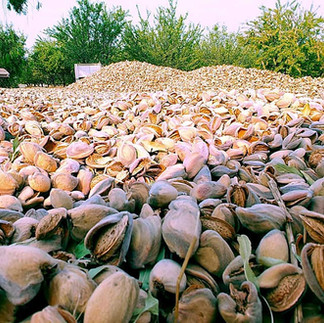
See if they harvest onto tarps (off- ground), not the orchard floor. Almonds harvested onto the orchard floor (ground) carry a significantly higher risk of bacterial contamination, including Salmonella. Off- Ground harvesting method reduces practically eliminates contamination risk by avoiding contact with soil and dust, making their unpasteurized almonds safer to consume. Capay Hills Orchard in very rare in that they harvest off ground.
What variety do they offer? It sure is nice if you can chose your variety.
What harvest year do they advertise? If they don't say, then there is a strong possibility they are from the harvest prior.
How do they store their almonds? Almonds are harvested only once per year and should be properly stored for long term care.
They should explain to you in detail how the almonds are farmed. If they are not a farm, then they won’t know exactly how they are farmed which means they are not the farmer which means they can’t legally sell truly raw, unpasteurized California almonds.
If you follow these steps you will discover there are only about 4-5 farms in California offering truly raw unpasteurized almonds and only Capay Hills Orchard fulfills every test.
What does the Pasteurization Law (7 CFR Part 981) say:
ALL California Almonds are required by law to be pasteurized. All California almonds in retail stores and most on-line have been pasteurized and treated. However, there is an exemption which allows farmers to sell only their own unpasteurized truly raw almonds directly to the consumer via roadside stand or farmer’s market. The USDA created this law in 2007 (should have been Congress) at the request of the California Almond Board due to food safety concerns, specifically salmonella. In the early 2000’s there were a few small salmonella cases in almonds and the Board did not want to take any more chances. The salmonella was attributed to the typical on-ground harvest method which involves shaking the nuts onto the ground which has a number of pathogens on it, then sweeping them up in a very dusty, dirty operation. Some farmers such as Capay Hills Orchard practice off-ground harvesting onto tarps which avoids the pathogens.
The law DOES NOT have any requirement to label the almonds as pasteurized or by which method (steam heat, Propylene Oxide (PPO), etc.). Furthermore, labels and marketing may still use the term “raw” even though the almonds have been pasteurized. Since there are no labeling requirements, it does not provide the consumer transparency and awareness how their food is grown and handled.
Why the interest in unpasteurized almonds:
Many consumers prefer truly raw, unpasteurized almonds because they taste better, retain their full nutritional value and preserve their natural untreated characteristics. Truly raw, unpasteurized almonds provide the ultimate health benefit of the nut. They have their live enzymes intact and heat has not altered their taste and reduced heat-sensitive vitamin E and antioxidant levels. Learn about almond health facts here.




Be sure to share this article with your friend who might be interested and who are looking for a top notch orchard to buy real almonds from. Heres' a discount code ALMOND5.
Brian
The Farmer
Almonds may not be cheap, but they are cheaper than the doctor or hospital. Eat well, live well, and support your organic farmer and family farm.
You can buy unpasteurized raw almonds and almond butter directly from the California farmer at Capay Hills Orchard. Order off the website, www.chorganicalmonds.com or call or text 530-507-8222.


Comments